From Model to Bronze: The Metal Casting Process
Metal casting is a fascinating journey that transforms a simple model into a precious bronze masterpiece. Thanks to the skill and creativity of artists such as Lucio Oliveri, metal casting becomes an opportunity to celebrate art, art collections, art investment and art itself as a precious and meaningful gift.

Written by
Published on


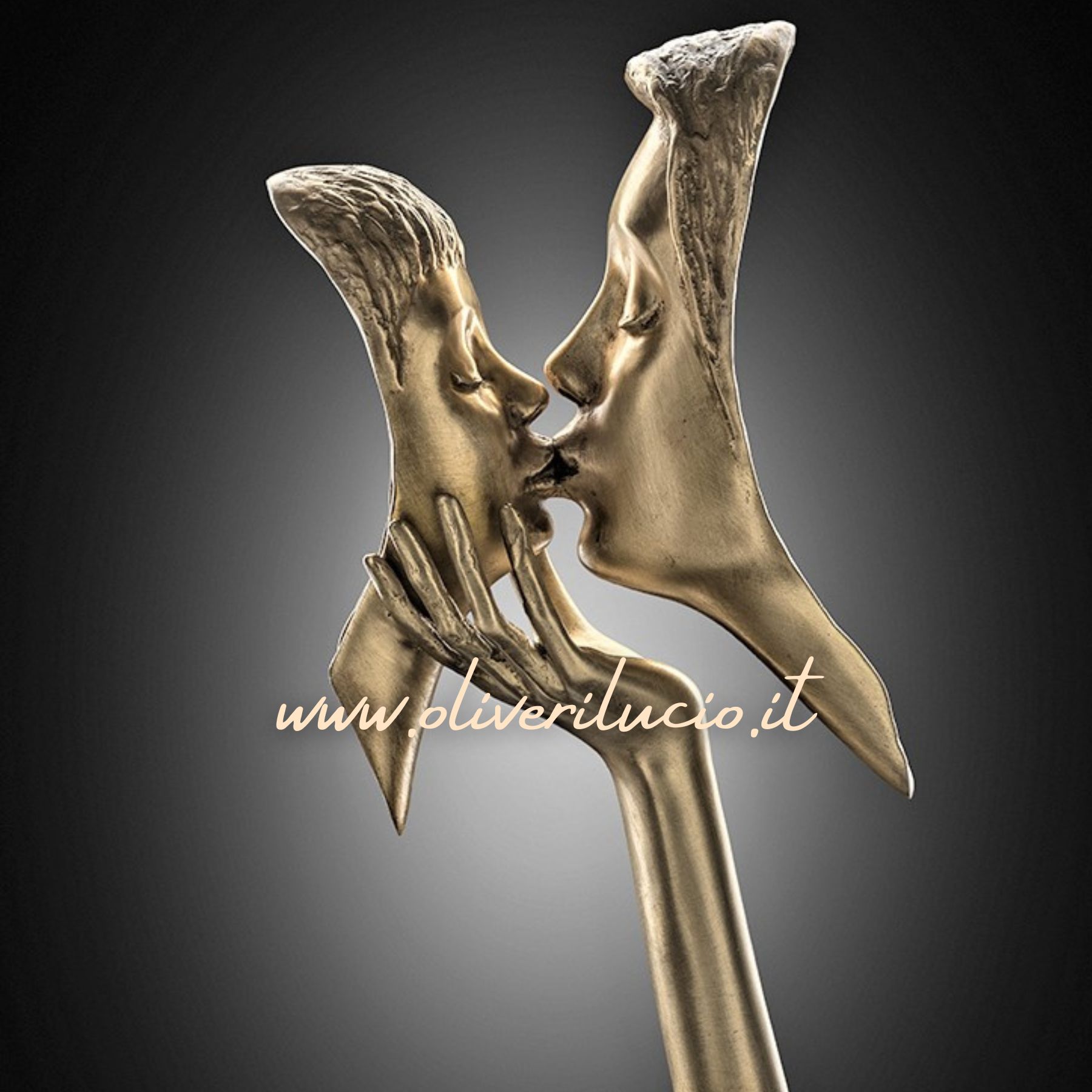

In the art of sculpture, metal casting is a fascinating and complex process that transforms a model into a precious bronze work of art. This article examines the casting process from the conception of the model to the finished bronze, with particular attention to the value of art, art collections, investing in art and art as a precious gift.
Creating the Model
The model, which may be made of clay, wax or other malleable materials, is the starting point of the casting process. The artist, like the celebrated Milanese sculptor Lucio Oliveri, shapes the details and breathes life into the work. The transformation into bronze begins with the model.
Making the Plaster Mould
Once the model is finished, a plaster mould is made to serve as the negative of the sculpture. Because the mould must capture every detail of the original model, this stage demands great skill and precision. To create an exact replica of the original sculpture, the mould is then filled with molten wax.
The Lost-Wax Technique
The lost-wax technique is a key step in the casting process. The wax replica of the model is coated with a layer of refractory material and then fired in a kiln to melt away the wax, leaving a hollow mould inside. To create the bronze sculpture, this mould is then filled with molten metal.
Casting the Metal
The casting metal, usually bronze or brass, is heated to high temperatures until it becomes liquid. To form the bronze sculpture, the molten metal is then poured into the hollow mould. To ensure an even, flawless casting, the founders must be extremely skilled and precise at this stage.
Finishing and Patination
Once the bronze has solidified, the statue is removed from the mould and undergoes a series of processes to refine the details and apply the patina. These may include sanding, sandblasting and polishing the surface, as well as applying a chemical patina that gives the sculpture its distinctive colour and lustre.