How to Buy an Italian Sculpture: A Guide for Collectors and Design Professionals
A work of art should create a connection. When a sculpture speaks for you, it becomes part of your identity and your space.
Written by
Published on


.jpg)
%20(1800%20x%201800%20px).jpg)


Italy has always been synonymous with timeless art, craftsmanship and aesthetic vision. From the Renaissance to contemporary artists, Italian sculpture is far more than a decorative element: it is culture, identity and emotional value.
If you are thinking of investing in an Italian sculpture, here is a clear, practical guide to making the right choice.
1. Understand the artist's vision and career
When you buy a sculpture, you are not just buying an object: you are investing in the artist's history, philosophy and technique.
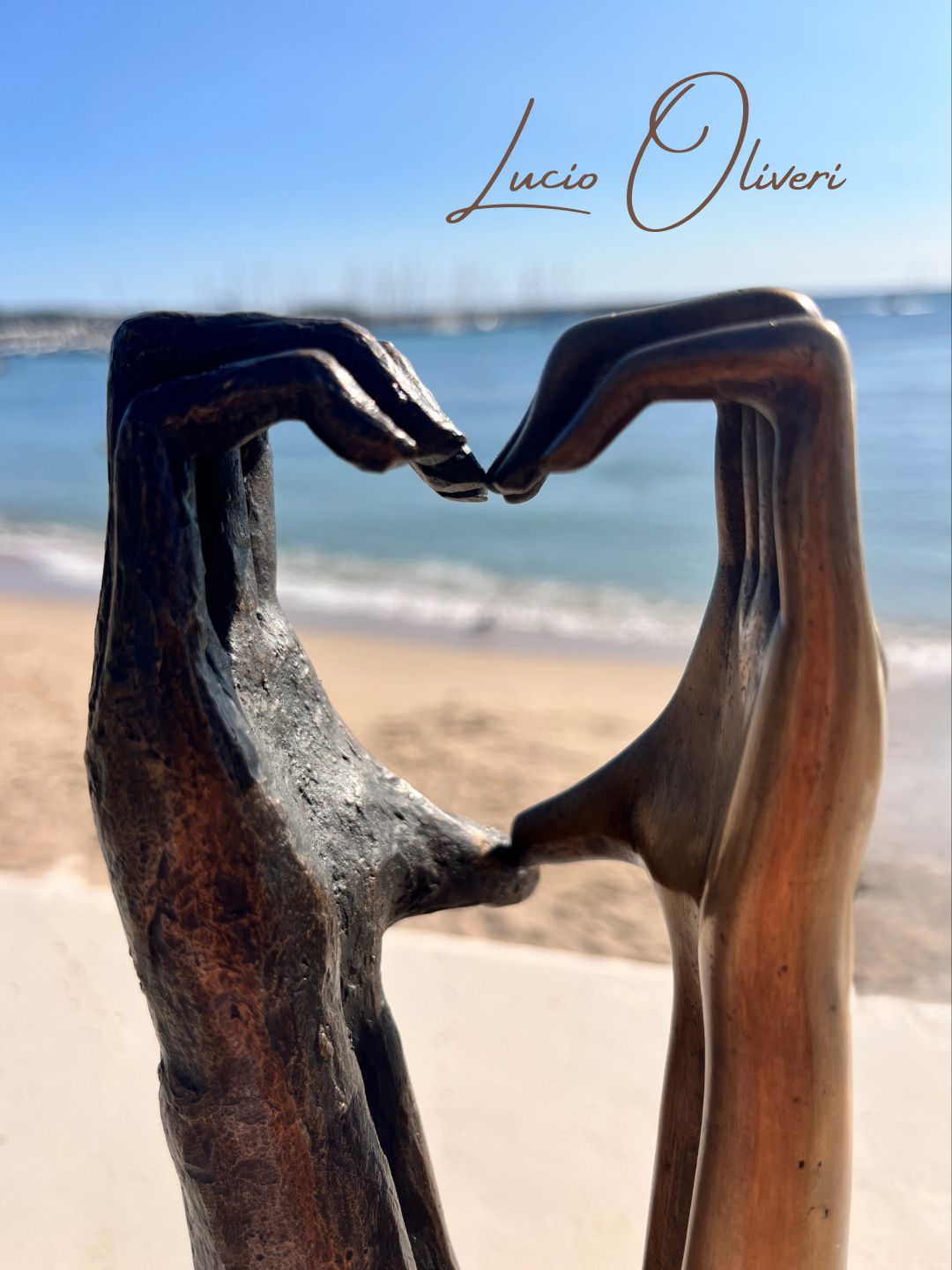
Lucio Oliveri's bronze works are rooted in the Italian artistic tradition, reinterpreted in a contemporary key. His sculptures combine emotional symbolism with refined craftsmanship, making them ideal for collectors, interior designers and art investors.
Before buying, find out about:
- The artist's biography
- Exhibitions and international presence
- Materials used
- The artistic concept behind each work
A strong artistic identity increases both emotional value and long-term investment value.
2. Choose the right material: why bronze is a prestigious choice
Bronze is one of the noblest materials in sculpture. It is durable, elegant and improves with time.
Italian bronze sculptures are especially prized because Italy preserves traditional casting techniques combined with modern finishing processes. Bronze works:
- Retain their value over time
- Withstand the elements
- Develop a natural patina that enhances their character
Collectors and designers often choose bronze for both interiors and outdoor installations thanks to its durability and prestige.
3. Consider size and placement
Before buying, consider where the sculpture will be placed:
- Private residence (living room, entrance hall, terrace)
- Executive office or professional studio
- Hotels or hospitality spaces
- Garden or outdoor architectural setting
Smaller sculptures (20–23 cm) are perfect for desks, bookshelves and refined interiors. Larger works can become the focal point of spacious settings.
For design professionals, sculpture often becomes the central element that defines the atmosphere of a space.
4. Verify authenticity and edition
When buying a contemporary Italian sculpture, always ask for:
- A certificate of authenticity
- Information on any limited edition
- Details of the casting process
Limited editions tend to hold a more solid market value. Clear documentation protects your investment.
5. Think long term: emotional value and investment value
Buying an Italian sculpture means:
- Leaving a mark that lasts
- Supporting contemporary art
- Owning a unique, handcrafted work
Many collectors and interior designers choose Lucio Oliveri because his works combine emotional storytelling with genuine artistic value.